


Items filtered by date: December 2025
Differences Between a Broken Foot and a Sprained Foot

A broken foot involves a crack or complete break in one or more of the bones, usually caused by a fall, a heavy impact, or repetitive stress on the foot. Pain from a fracture is often sharp and constant, and swelling or bruising may appear quickly. In some cases, the foot may look deformed, and putting weight on it can be extremely painful. A sprained foot, however, affects the ligaments that hold the bones together and occurs when the foot twists or turns awkwardly. Sprains often cause tenderness and mild to moderate swelling but without bone displacement. Because both injuries can cause similar discomfort, it is difficult to know which has occurred without proper testing. A podiatrist can evaluate the injury, order imaging studies, and provide the appropriate treatment to promote full recovery. If you have seriously injured your foot, it is suggested that you schedule an appointment with a podiatrist for a diagnosis and appropriate treatment.
A broken foot requires immediate medical attention and treatment. If you need your feet checked, contact One of our podiatrists from Foot and Ankle Medical Center. Our doctors can provide the care you need to keep you pain-free and on your feet.
Broken Foot Causes, Symptoms, and Treatment
A broken foot is caused by one of the bones in the foot typically breaking when bended, crushed, or stretched beyond its natural capabilities. Usually the location of the fracture indicates how the break occurred, whether it was through an object, fall, or any other type of injury.
Common Symptoms of Broken Feet:
- Bruising
- Pain
- Redness
- Swelling
- Blue in color
- Numbness
- Cold
- Misshapen
- Cuts
- Deformities
Those that suspect they have a broken foot shoot seek urgent medical attention where a medical professional could diagnose the severity.
Treatment for broken bones varies depending on the cause, severity and location. Some will require the use of splints, casts or crutches while others could even involve surgery to repair the broken bones. Personal care includes the use of ice and keeping the foot stabilized and elevated.
If you have any questions, please feel free to contact our offices located in New Port Richey and Spring Hill, FL . We offer the newest diagnostic and treatment technologies for all your foot care needs.
When Toes Begin To Curl Out of Alignment
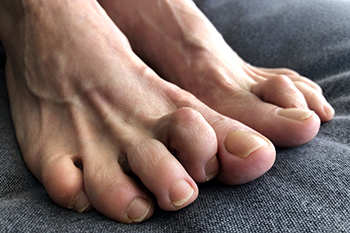
A hammertoe forms when a toe bends upward at one joint and downward at another, creating a curled or raised appearance that can make shoes feel tight or uncomfortable. This change often develops gradually as muscles and tendons lose their usual balance, sometimes due to genetics, arthritis, past injuries, or footwear that does not allow the toes enough room. Many people notice rubbing on the top of the toe, the formation of corns, or increasing stiffness that makes straightening the toe difficult. Walking may become uncomfortable as pressure shifts to areas that are not meant to carry extra weight. Early attention helps prevent the deformity from becoming rigid or more painful. If you see changes in toe shape, have difficulty moving a toe, or develop irritation from shoe pressure, it is suggested that you schedule an appointment with a podiatrist for a proper evaluation and appropriate treatment.
Hammertoe
Hammertoes can be a painful condition to live with. For more information, contact One of our podiatrists from Foot and Ankle Medical Center. Our doctors will answer any of your foot- and ankle-related questions.
Hammertoe is a foot deformity that affects the joints of the second, third, fourth, or fifth toes of your feet. It is a painful foot condition in which these toes curl and arch up, which can often lead to pain when wearing footwear.
Symptoms
- Pain in the affected toes
- Development of corns or calluses due to friction
- Inflammation
- Redness
- Contracture of the toes
Causes
Genetics – People who are genetically predisposed to hammertoe are often more susceptible
Arthritis – Because arthritis affects the joints in your toes, further deformities stemming from arthritis can occur
Trauma – Direct trauma to the toes could potentially lead to hammertoe
Ill-fitting shoes – Undue pressure on the front of the toes from ill-fitting shoes can potentially lead to the development of hammertoe
Treatment
Orthotics – Custom made inserts can be used to help relieve pressure placed on the toes and therefore relieve some of the pain associated with it
Medications – Oral medications such as anti-inflammatories or NSAIDs could be used to treat the pain and inflammation hammertoes causes. Injections of corticosteroids are also sometimes used
Surgery – In more severe cases where the hammertoes have become more rigid, foot surgery is a potential option
If you have any questions, please feel free to contact our offices located in New Port Richey and Spring Hill, FL . We offer the newest diagnostic and treatment technologies for all your foot care needs.
Ease Painful Feet With Orthotics

Custom orthotics can be used to relieve foot pain and discomfort. They're also used to treat various foot conditions and deformities. Flat feet, bunions, and Morton's neuroma are just a few of the foot conditions that have been known to benefit from the use of orthotics.
Comfy feet are happy feet! Contact us today.
Everyday Reasons Behind Heel Pain
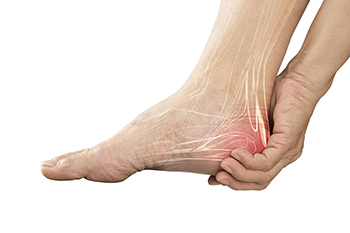
Heel pain is a common concern that can interrupt daily movement and make each step feel heavier than the last. One frequent cause is plantar fasciitis, which develops when the band of tissue along the bottom of the foot becomes irritated. Other sources include Achilles tendon strain, inflammation in the heel pad, nerve irritation, or bursitis that forms from repeated pressure. Some individuals notice discomfort after long hours on hard surfaces, while others develop pain from sudden increases in activity or shoes that lack support. Early attention helps prevent the condition from becoming chronic. Resting the foot, improving footwear, gentle stretching, and targeted care can ease symptoms and encourage healing. If you have heel pain, it is suggested that you see a podiatrist for a diagnosis and appropriate treatment options.
Many people suffer from bouts of heel pain. For more information, contact One of our podiatrists of Foot and Ankle Medical Center. Our doctors can provide the care you need to keep you pain-free and on your feet.
Causes of Heel Pain
Heel pain is often associated with plantar fasciitis. The plantar fascia is a band of tissues that extends along the bottom of the foot. A rip or tear in this ligament can cause inflammation of the tissue.
Achilles tendonitis is another cause of heel pain. Inflammation of the Achilles tendon will cause pain from fractures and muscle tearing. Lack of flexibility is also another symptom.
Heel spurs are another cause of pain. When the tissues of the plantar fascia undergo a great deal of stress, it can lead to ligament separation from the heel bone, causing heel spurs.
Why Might Heel Pain Occur?
- Wearing ill-fitting shoes
- Wearing non-supportive shoes
- Weight change
- Excessive running
Treatments
Heel pain should be treated as soon as possible for immediate results. Keeping your feet in a stress-free environment will help. If you suffer from Achilles tendonitis or plantar fasciitis, applying ice will reduce the swelling. Stretching before an exercise like running will help the muscles. Using all these tips will help make heel pain a condition of the past.
If you have any questions, please feel free to contact our offices located in New Port Richey and Spring Hill, FL . We offer the newest diagnostic and treatment technologies for all your foot care needs.
Preventing and Treating Stress Fractures in Active Feet

Stress fractures are small cracks in the bones of the foot or lower leg that often occur in runners, basketball players, or dancers due to repetitive impact, overuse, or sudden increases in activity intensity. They may not be immediately visible but can cause localized pain that worsens with weight bearing, swelling, tenderness, or bruising. Many individuals notice discomfort that improves with rest but returns during activity, making early recognition important. Stress fractures commonly affect the metatarsals, especially the second and third, due to repetitive pressure during jumping or dancing. A podiatrist can evaluate suspected stress fractures through a thorough physical examination and imaging, such as X-rays or an MRI, to confirm the diagnosis and rule out other injuries. Treatment may include activity modification, protective footwear, orthotics, or immobilization to allow proper healing. Early intervention prevents complications and ensures a safe return to activities. If you experience persistent foot pain after activity, it is suggested that you make an appointment with a podiatrist.
Activities where too much pressure is put on the feet can cause stress fractures. To learn more, contact One of our podiatrists from Foot and Ankle Medical Center. Our doctors can provide the care you need to keep your pain free and on your feet.
Dealing with Stress Fractures of the Foot and Ankle
Stress fractures occur in the foot and ankle when muscles in these areas weaken from too much or too little use. The feet and ankles then lose support when walking or running from the impact of the ground. Since there is no protection, the bones receive the full impact of each step. Stress on the feet can cause cracks to form in the bones, thus creating stress fractures.
What Are Stress Fractures?
Stress fractures occur frequently in individuals whose daily activities cause great impact on the feet and ankles. Stress factors are most common among:
- Runners
- People affected with Osteoporosis
- Tennis or basketball players
- Gymnasts
- High impact workouts
Symptoms
Pain from the fractures occur in the area of the fractures and can be constant or intermittent. It will often cause sharp or dull pain with swelling and tenderness. Engaging in any kind of activity which involves high impact will aggravate pain.
If you have any questions please contact our offices located in New Port Richey and Spring Hill, FL . We offer the newest diagnostic and treatment technologies for all your foot and ankle needs.
Recognizing the Signs of Freiberg’s Disease

Freiberg’s disease is an uncommon condition that affects the long bones in the ball of the foot, most often the one beneath the second toe. It occurs when the bone loses some of its normal blood supply, leading to pain, stiffness, and swelling during walking or activity. Many people first notice discomfort that feels like pressure under the toe, especially when wearing thinner shoes or standing for long periods. As the condition progresses, the joint may become less flexible, and the pain can begin to interfere with daily movement. Because early symptoms can resemble other forefoot problems, it is easy to overlook or misidentify. A podiatrist can take a closer look through examination and imaging to confirm the diagnosis and recommend treatments that reduce stress on the joint and protect long-term function. If you have persistent pain under the second toe that is not improving, it is suggested that you see a podiatrist for proper evaluation.
Some foot conditions may require additional professional care. If you have any concerns, contact One of our podiatrists of Foot and Ankle Medical Center. Our doctors can provide the care you need to keep you pain-free and on your feet.
Rare Foot Conditions
The majority of foot conditions are common and can be treated by a podiatrist. Standard diagnostic procedures are generally used to identify specific conditions and treatment can be rendered. A podiatrist also treats rare foot conditions which can be difficult to diagnose and may need extra attention and care.
There are many rare foot conditions that can affect children. Some of these can include:
- Freiberg’s disease
- Kohler’s disease
- Maffucci syndrome
Freiberg’s disease - This can be seen as a deterioration and flattening of a metatarsal bone that exists in the ball of the foot. It typically affects pre-teen and teenage girls, but can affect anyone at any age. Symptoms that can accompany this can be swelling, stiffness, and the patient may limp.
Kohler’s disease - This often targets the bone in the arch of the foot and affects younger boys. It can lead to an interruption of the blood supply which ultimately can lead to bone deterioration. The patient may limp or experience tenderness, swelling, and redness.
Maffucci syndrome - This affects the long bones in a child’s foot leading to the development of abnormal bone lesions. They are benign growths and typically develop in early childhood and the bones may be susceptible to breaking.
A podiatrist can properly diagnose and treat all types of rare foot conditions. If your child is affected by any of these symptoms or conditions, please don’t hesitate to call our office so the correct treatment method can begin.
If you have any questions, please feel free to contact our offices located in New Port Richey and Spring Hill, FL . We offer the newest diagnostic and treatment technologies for all your foot care needs.
